
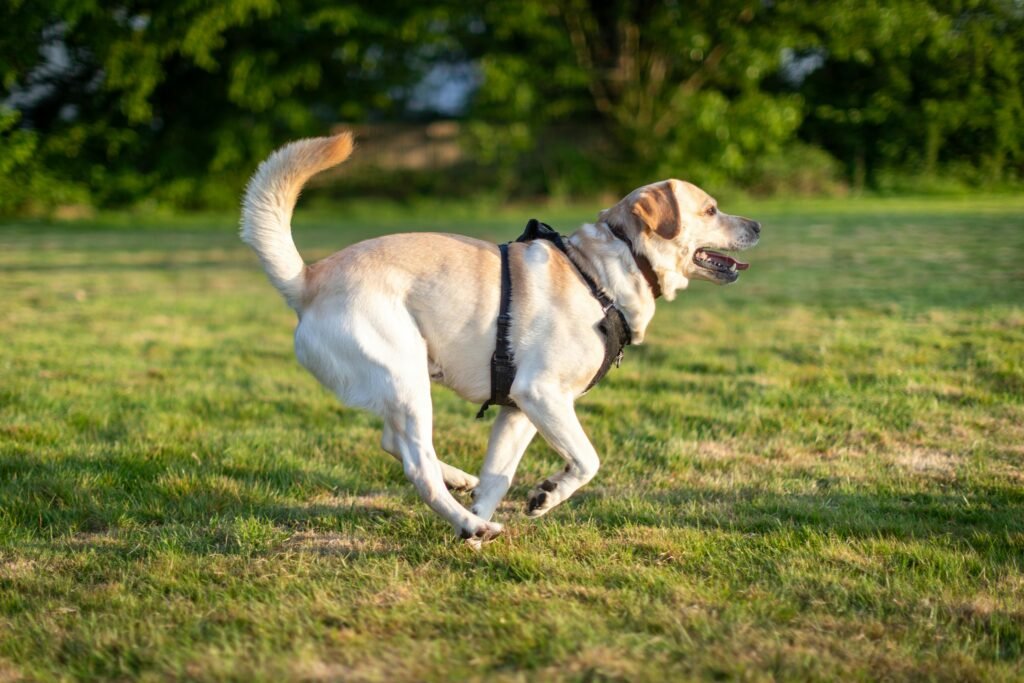
As our pets enter their golden years, our role as owners shifts from “playmate” to “health guardian.” We all want our companions to stay by our sides for as long as possible, but the secret to longevity isn’t just about adding years, it’s about ensuring those years are free from the “hidden discomfort” that pets are biologically programmed to hide.
In the wild, a pet that shows weakness is a target. In your home, this means your dog or cat might be suffering from “silent pain” while still wagging their tail or purring. To truly support their healthspan, you need to look past the obvious.
1. The “Invisible” Mobility Shift
We often mistake a lack of movement for laziness. However, chronic joint issues like osteoarthritis don’t always result in a limp. Instead, look for behavioral avoidance.
- For Dogs: Notice if they are hesitant on “slick” floors (like hardwood or tile). Painful joints make them feel unstable, leading to anxiety around surfaces they used to navigate easily.
- For Cats: Watch their grooming habits. If a cat can no longer reach their lower back or hindquarters due to stiffness, you’ll notice matting or “clumping” fur in those areas.
2. Identifying “Dog Dementia” (CCD)
Cognitive decline is a major factor in a senior pet’s quality of life. Canine Cognitive Dysfunction is often subtle in its early stages.
If you notice your dog staring at walls, getting trapped behind furniture, or failing to recognize familiar cues, their brain health needs immediate attention. Enriching their environment with scent work or new textures can help keep neural pathways active, but early recognition is the key to slowing the decline.
3. Changes in Social Dynamics
Has your once-cuddly cat become a recluse? Or has your independent dog suddenly become “velcro-like” and clingy? Sudden shifts in how your pet interacts with the family are often defensive responses to physical discomfort.
When a pet feels vulnerable because they can’t move quickly, they may choose to hide to avoid being bumped or touched. Conversely, they may cling to you for a sense of security when they feel their senses (sight and hearing) fading.
4. The “Stair Test” for Feline Arthritis
Because cats are incredibly agile, we often miss their decline. A great way to gauge their comfort is the “Stair Test.” An arthritic cat won’t necessarily stop using stairs, but they will change how they use them. Instead of a fluid run, they may take stairs one at a time, or “hitch” their back legs together to hop up a step. This change in mechanics is a clear cry for environmental support, such as ramps or heated bedding.
5. Nutrition as a Longevity Tool
As pets age, their metabolic needs shift. They require highly digestible proteins to maintain muscle mass and specific fatty acids to fight systemic inflammation. Transitioning to a diet rich in EPA and DHA isn’t just about “food”; it’s about providing the chemical building blocks for joint repair and brain health.
Moving Forward with Confidence
Understanding the signs of aging allows you to act before a “condition” becomes a “crisis.” By adjusting your home—adding rugs for traction, raising food bowls, and prioritizing mental stimulation, you are actively extending your pet’s healthspan.
To learn more about our mission to improve pet wellness, visit our About Us page, or reach out to our team directly via our Contact Us section with any questions about your senior pet’s care.
Note: This content is for educational purposes. Always consult a veterinarian if you notice sudden changes in your pet’s behavior or physical ability.