
Simple daily routines to keep your pets safe, active, and happy.
Keeping your pet healthy isn’t complicated; it’s about building small, consistent habits that support their body and mind. With the right mix of exercise, nutrition, mental stimulation, and routine care, pets live longer, happier, and more balanced lives.
This guide breaks down healthy habits and exercises for pets in a clear, practical way so you can start today.
Why Healthy Habits Matter for Pets
Regular activity and structure help pets:
- Maintain a healthy weight
- Improve heart and joint health
- Reduce anxiety and destructive behavior
- Strengthen the bond with their owners
Just like humans, pets thrive on routine and movement.
2. Consistent Exercise
Exercise keeps muscles strong, joints flexible, and prevents obesity, one of the biggest health risks for pets.
Even short, daily activity is better than occasional intense play. Examples include:
- Walks or runs
- Fetch or tug-of-war sessions
- Agility training (indoors or outdoors)
3. Mental Stimulation
Mental health is just as important as physical health. Pets need challenges to prevent boredom and stress.
Try:
- Puzzle toys – Hide treats or food for problem-solving fun
- Training sessions – Teach new commands or tricks
- New walking routes – Keep walks exciting and stimulating
- Interactive play – Use toys or games that engage their mind
4. Regular Grooming & Health Checks
Routine grooming helps detect skin issues, lumps, or injuries early. Regular vet visits ensure:
- Vaccinations are up to date
- Dental care is maintained
- Preventive treatments like flea/tick and heartworm protection are current
💡 Pro Tip: Combine exercise, mental stimulation, and grooming into a daily routine; even 20–30 minutes a day can significantly improve your pet’s health, behavior, and happiness.
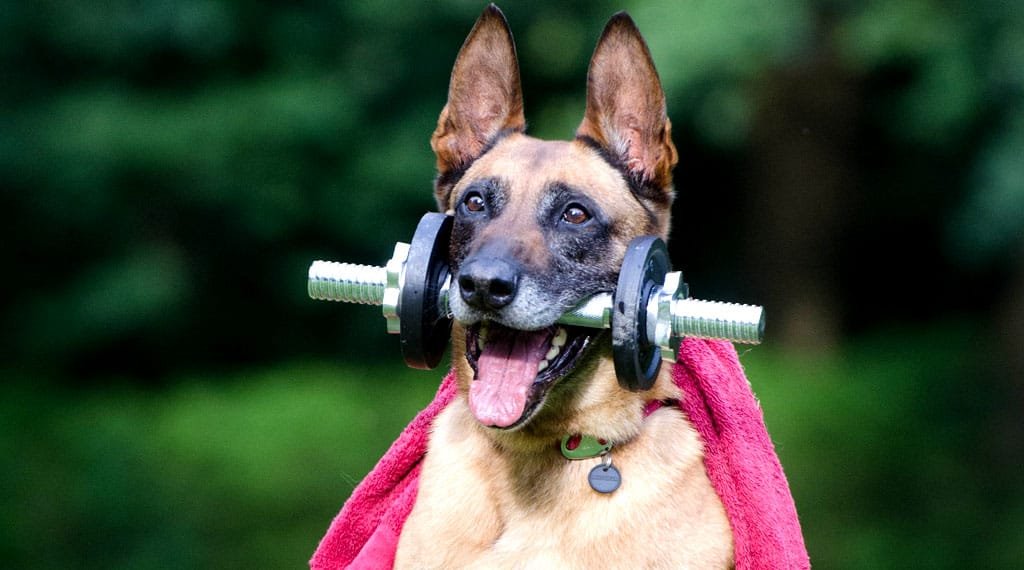
Best Exercises for Pets (By Type)
🐕 Healthy Exercises for Dogs
- Daily walks: 20–60 minutes depending on breed and age
- Fetch & tug games: Great for energy release
- Agility or obstacle courses: Builds strength and focus
- Swimming: Low-impact and excellent for joints
Tip: Adjust intensity based on your dog’s size, age, and health.
🐈 Healthy Exercises for Cats
- Interactive toys: Feather wands, laser pointers
- Climbing & jumping: Cat trees and shelves
- Short play sessions: 5–10 minutes, multiple times a day
Cats prefer bursts of activity rather than long workouts.
🐾 Small Pets (Rabbits, Guinea Pigs, Others)
- Safe floor time outside the cage
- Tunnels and chew toys
- Gentle supervised exploration
Always pet-proof the area first.
How Much Exercise Does Your Pet Need?
This depends on:
- Age (puppies and seniors need different levels)
- Breed and size
- Health conditions
As a general rule:
- Dogs: At least 30 minutes daily
- Cats: 15–30 minutes split into short sessions
When in doubt, ask your veterinarian.
Signs Your Pet Needs More Activity
Watch for:
- Weight gain
- Destructive behavior
- Excessive barking or meowing
- Restlessness or anxiety
These often signal boredom or lack of exercise.
Safety Tips for Pet Exercise
- Start slow, especially for older or overweight pets
- Avoid extreme heat or cold
- Provide water breaks
- Use proper gear (harnesses, safe toys)
Exercise should energize, not exhaust, your pet.
Final Thoughts
Healthy pets aren’t built overnight. Small daily habits, regular exercise, and mental stimulation create a strong foundation for long-term wellbeing.
When you focus on consistency instead of perfection, your pet benefits, and so does your bond.
Product Recommendations
Puppy Play Gym with 9 Hanging Toys, Interactive Dog Enrichment Playground
40 inch Metal Dog Fence with Gate, Outdoor Dog Playpen & Indoor Puppy Playpen