
| BLOG OVERVIEW / KEY TAKEAWAYS Key Takeaway 1: Research shows 68% of dogs eat grass regularly and only 8% show signs of illness beforehand, meaning the behavior is overwhelmingly normal, not a sign of something wrong. Key Takeaway 2: The real reasons range from ancient instinct and fiber needs to boredom, mild stomach irritation, and simple taste preference.Key Takeaway 3: The danger is not the grass itself but what is on the grass. Pesticides, herbicides, and foxtail seed heads are the actual risks to watch for. |
That Lawn Grazing Habit Probably Has a Simple Explanation
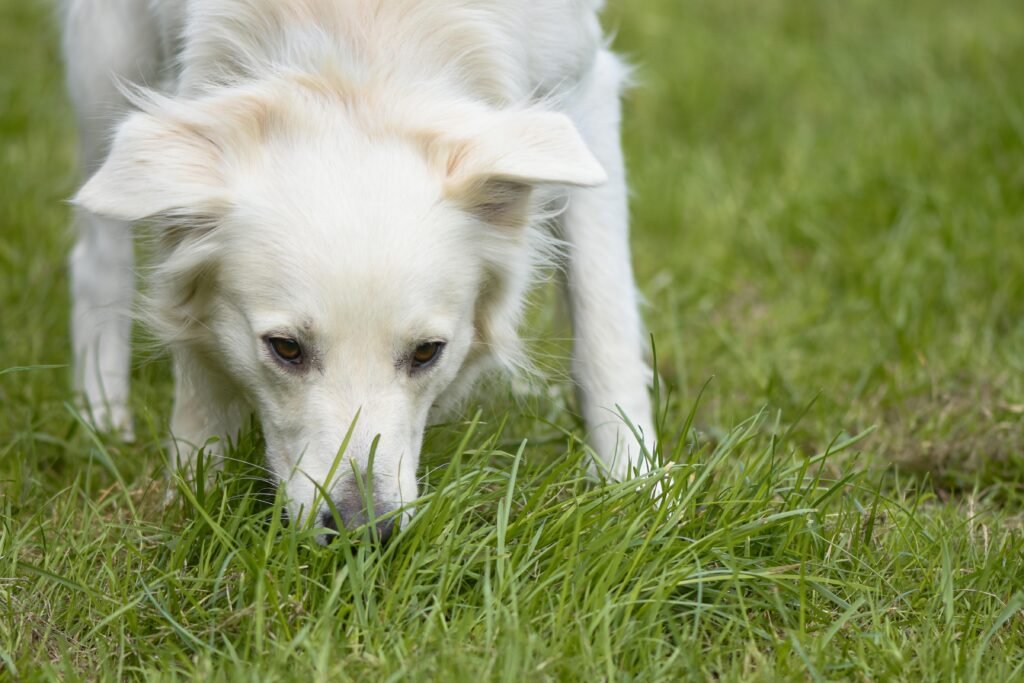
Your dog trots outside, ignores the ball you threw, finds a patch of grass, and starts chomping. You stand there wondering if you missed something important in a dog care manual somewhere.
You did not. This is one of the most searched questions dog owners type into Google every year, with good reason. It feels strange. It looks like something must be wrong.
But the data tells a different story. A comprehensive study published by researchers at the University of California, Davis surveyed over 1,500 dog owners and found that 68 percent of dogs eat grass on a regular basis. Of those, only 8 percent showed any signs of illness beforehand. Grass eating is not a red flag. It is a dog being a dog.
That said, there are nuances worth understanding. This guide covers every legitimate reason your dog may be eating grass, the actual safety concerns, and how to tell the rare case that warrants a vet call from the very common case that warrants nothing at all.
Check out our About Me page to learn more about who we are, or reach out through our Contact section if you have a question.
8 Reasons Your Dog Eats Grass
1. It Is Hardwired Into Their Biology
Dogs evolved from wild canine ancestors who were opportunistic omnivores. They ate meat, but they also consumed the stomach contents of their prey, which included plant material. Over thousands of years, plant eating became part of the behavioral repertoire of canines.
Dr. Benjamin L. Hart’s research at UC Davis describes this as “herbal prophylaxis,” an inherited instinct that may have originally served to help wild dogs purge intestinal parasites and maintain gut health. Your domesticated dog in your suburban backyard is expressing the same ancient behavior, even though they have never needed to hunt for a meal in their life.
2. They Want More Fiber
Grass is a source of insoluble fiber. Fiber helps move food through the digestive tract, supports healthy bowel movements, and maintains gut health. Dogs whose diets are lower in fiber may instinctively graze to compensate.
If your dog eats grass regularly and also tends toward constipation or irregular stools, it may be worth asking your vet about transitioning to a higher-fiber diet or adding a fiber supplement.
3. Pure Boredom
A dog left alone in the backyard without stimulation will find something to do. For many dogs, grass eating is that something. It is repetitive, sensory, and passes the time. This is especially common in high-energy breeds that need significant exercise and mental engagement.
If your dog eats grass only when alone in the yard but stops when you engage with them, boredom is almost certainly the cause.
4. Stomach Discomfort
While this is not the primary reason for most grass eating, a subset of dogs do use it to address gastric irritation. Dogs with excess bile in an empty stomach can experience nausea and discomfort. Eating grass may trigger vomiting that provides relief.
The telltale pattern is a dog that eats grass and vomits yellow foam specifically in the morning before eating. This is often bilious vomiting syndrome, which is usually resolved by adding a small meal the night before or splitting the daily food into more frequent smaller portions.
5. They Enjoy It
This one gets overlooked. Some dogs genuinely like the taste, smell, and texture of fresh grass, particularly cool, dewy morning grass or new spring growth. There does not have to be a medical explanation for every behavior. Sometimes a dog just enjoys something.
6. Exploring the Environment
Dogs use their mouths to explore the world. Puppies especially are notorious for chewing, licking, and consuming things they encounter out of curiosity. Grass eating in puppies is almost always exploration rather than any nutritional or health-related behavior.
7. Trace Nutrient Seeking
Grass contains chlorophyll, magnesium, nitrogen, and other micronutrients. While not a reliable nutritional source for dogs, there is some evidence suggesting dogs may seek out these compounds when their diet is slightly lacking in certain areas. This is more likely to be a factor in dogs on restricted or lower-quality diets.
8. Compulsive Behavior or Pica
Pica is the compulsive consumption of non-food items. It can present as obsessive, frantic grass eating that is clearly beyond casual grazing. Pica may be linked to anxiety, nutritional deficiencies, or underlying health conditions. If your dog cannot walk past any patch of grass without aggressively consuming it, mention this to your vet.
Is Grass Safe for Dogs to Eat?
Plain grass is generally not toxic. The real safety issues come from what is on the grass or near it:
Pesticides and Herbicides
This is the biggest concern. Lawns treated with weed killers, fertilizers, or insecticides are not safe grazing areas. Symptoms of pesticide ingestion include drooling, vomiting, tremors, and lethargy. If you are unsure whether a lawn has been treated, keep your dog away from it.
Foxtails
Foxtail grasses have seed heads with backward-facing barbs that embed in tissue. They can work their way into paws, ears, gums, and even organs. A dog who eats or buries their face in tall wild grass in warm months faces real foxtail risk.
Toxic Plants Mixed In
Wild onions, sago palm seedlings, ground ivy, and other toxic plants sometimes grow alongside grass. If your yard has wild areas or you walk your dog in unmaintained fields, it is worth learning what grows there.
Parasite Exposure
Grass in areas used by wildlife can harbor parasite eggs including roundworms and hookworms. Regular parasite prevention from your vet reduces this risk significantly.
Signs That Warrant a Vet Call
For the vast majority of dogs, grass eating needs no intervention. Contact your veterinarian when:
- The grass eating is sudden, intense, or frantic, especially in a dog that does not normally do it.
- Your dog is vomiting frequently after eating grass, or the vomit contains blood.
- Grass eating is accompanied by lethargy, loss of appetite, diarrhea, or a swollen belly.
- Your dog retches repeatedly without producing vomit, which can indicate a gastrointestinal obstruction.
- The behavior has escalated to consuming large quantities in a compulsive way.
What You Can Do at Home
- Grow a small pot of wheatgrass indoors or on the patio. It gives your dog a safe, chemical-free grazing option.
- Increase physical activity and mental stimulation if boredom seems to be the cause.
- Feed a small meal before bed or first thing in the morning if bilious vomiting is happening.
- Practice “leave it” training with consistent positive reinforcement if you want to reduce the behavior.
- Review your dog’s diet with your vet if grass eating is obsessive or paired with digestive irregularities.
Frequently Asked Questions
Q: Should I stop my dog from eating grass entirely?
There is no need to if the grass is untreated, the behavior is occasional, and your dog seems otherwise healthy. It is a normal dog behavior. Redirect or train the “leave it” command if it bothers you, but there is no medical reason to eliminate it in most cases.
Q: My dog eats grass every single day. Is that a problem?
Daily grass eating in an otherwise healthy dog is still within the range of normal. Monitor for any changes in stool, appetite, energy, or vomiting patterns. If everything else looks good, daily grazing is usually not cause for concern.
Q: Can eating grass give my dog worms?
Grass itself does not cause worms. However, grass in areas used by other animals can carry parasite eggs. Keeping your dog on year-round parasite prevention is the best protection.
Q: My dog ate treated grass. What should I do?
Contact your veterinarian or an animal poison control hotline immediately. Describe the product used if you know it. Do not wait for symptoms to appear before seeking guidance.
The Bottom Line
Grass eating is normal. Research supports this clearly. Your dog is not trying to induce vomiting, purge toxins, or signal a dietary crisis in most cases. They are doing what dogs have done for thousands of years.
Focus on what matters: keep the grass untreated, watch for foxtails in wild areas, and monitor the pattern of the behavior. If something changes suddenly or symptoms accompany the grass eating, call your vet.
Otherwise, let your dog enjoy their weird little snack.
| DISCLAIMER The information provided in this article is for general educational and informational purposes only. It is not intended as, and should not be construed as, professional veterinary medical advice, diagnosis, or treatment. Always consult a licensed and qualified veterinarian before making any decisions regarding your pet’s health, diet, medication, or treatment plan. Shopping With Pets and its authors are not responsible or liable for any damages, losses, injuries, or adverse outcomes arising from the use of or reliance on the content published on this website. Individual results may vary. Every pet is unique and what works for one dog may not be appropriate for another. In the event of a pet health emergency, contact a licensed veterinarian or an emergency animal hospital immediately. |
Sources and References:
- Hart BL et al., UC Davis, Frequency of Plant Eating in Dogs Study
- NC State University, Turfgrass and Canine Behavior Study (2021)
- Newport Harbor Animal Hospital, Why Does My Dog Eat Grass?
- American Kennel Club, Why Does My Dog Eat Grass?
- VEG ER for Pets, Why Does My Dog Keep Eating Grass?